Why You Can’t Bring Your Range Game To The Course
We’ve all been there, you’re flushing shots like a tour pro on the range, feeling confident and ready to light it up. You step onto the first tee full of optimism and then…
Boom! Your opening shot sails out of bounds, and suddenly it feels like you’ve never played
the game before.
So what gives? Why does this happen? Let’s dive in!
This article is about unlocking your best golf.
Most golfers are happy with their best shots, but the real challenge is accessing that level more often.
Imagine what score you could shoot if you played your best every time. The key is learning how to unlock that potential more often, read on to uncover how you can do this.
Emotion Management
Stress, frustration, worry, fear.
You might have a mechanically sound swing, but these emotions can cause it to break down.

The Reason?
When emotions shift, they introduce subtle changes in your movement.
Even tiny adjustments, like a single degree difference, can have a big impact on your shots, leading to inconsistencies that ruin your performance.
Even slight variability can cost you in golf, even if your swing looks perfect on video.
Many golfers and instructors believe that improving swing mechanics is the key to handling pressure.
While better mechanics can lead to more consistency, focusing on emotional control is just as important for improving performance.
The Solution?
There’s no quick fix for mastering emotional control, but it’s possible. As a former club-thrower,
I know firsthand.
- Shifting your mindset
- Managing expectations
- Remembering why you play
- Breathing techniques
- Solid pre-shot routines
These can all make a huge difference.
Shifting focus
Picture this: you’re on the range, drilling shot after shot with your full attention locked in on a specific swing move.
Then you walk to the first tee and this time your mind zeroes in on the target instead.
Suddenly you’ve Shanked it, the balls sailed over the putting green into the clubhouse.
“Josh, what were you focused on during that shot?”
“The target.”
“And on the range?”
“Clubface contact.”
Do you see the problem?
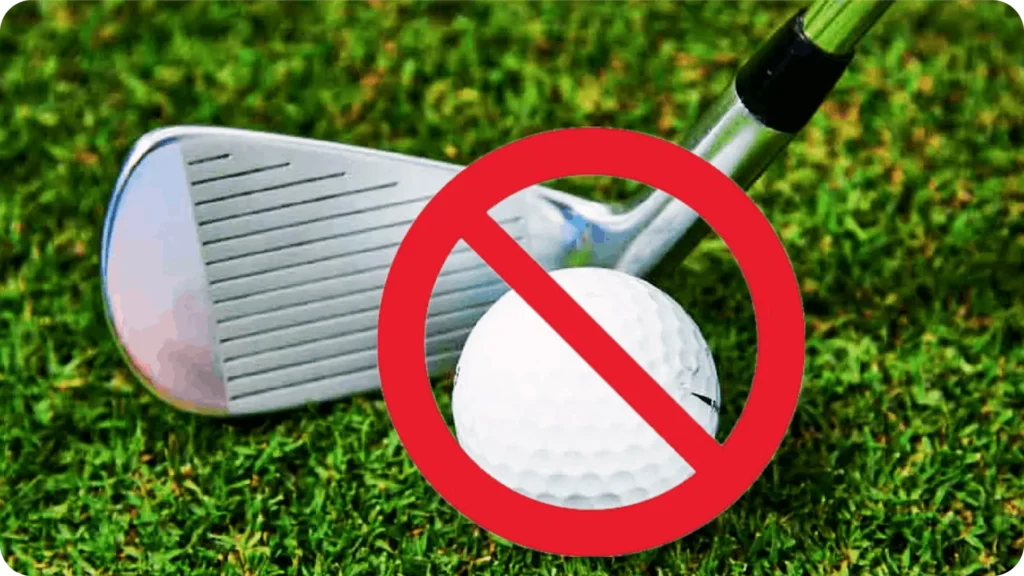
Our thoughts directly impact our movements. If you focus on
A, you’ll get A results; focus on B, and you’ll get B results.
The issue is, many golfers practice one way but play another,
then wonder why their performance doesn’t match.
The Solution?
Your thoughts influence your movements and swing patterns. It’s important to control your focus and block out distractions to really perform.
Practice Environment
Does your practice really prepare you to play on the course?
You might be able to hit incredible shots on a driving range, but that’s not real golf.
I emphasise balancing repetitions with real golf pressure. On-course shots are great, but we don’t get many; range sessions allow for more reps, but lack relevance.
Challenge training bridges this gap by creating fun games that simulate real golf situations.
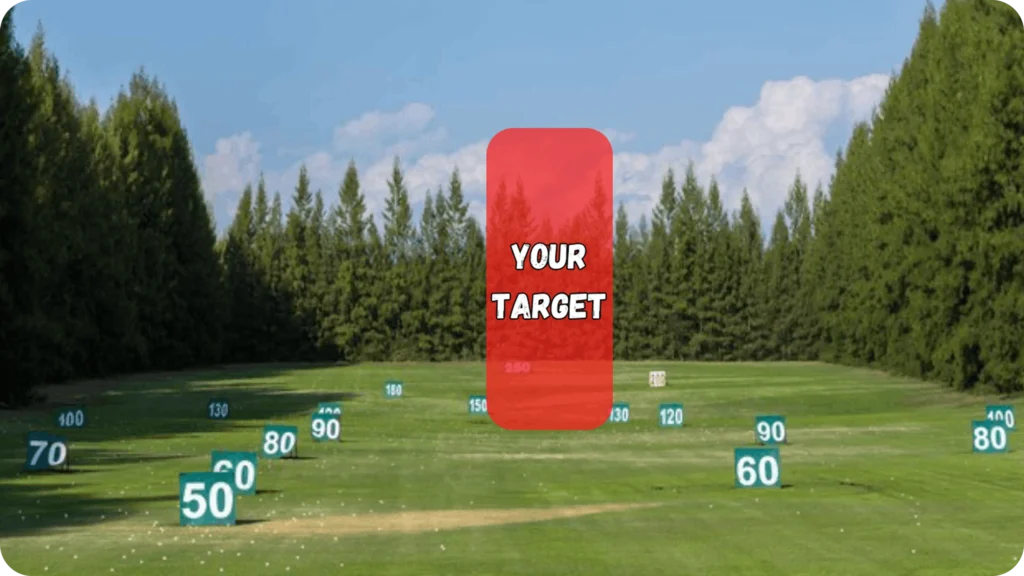
Hitting 5 shots between two targets like above with a goal of 3/5 successful shots for your favourite snack after practice, can be a simple way of adding pressure, helping you transfer skills to the course.
Final Thoughts
- Focus on game like practice to better transfer skills to the course.
- Emotional control is vital to build consistency in your game.
- Focusing your attention to block out distractions is key to success.
If you want personalised help with your game, you can learn more about my online coaching below.